A Story of Friendship, Jazz, and The Genius of Miles Davis
Frigate Bay Filmworks, Inc. has purchased the rights to the book and screenplay “Miles and Me” by writer, poet and long-time Miles Davis confidant, Quincy Troupe. The screenplay tells the story of the relationship between the two men, while exploring the life and operatic death of Davis, considered by many to be the single most innovative influence in jazz history.
Davis’ life and music is a landmark of the 20th Century. “Miles music is the whole scope, passion, evolution, conflicts of the century,” said Rudy Langlais, president of Frigate Bay. “Miles Davis was the ‘birth of cool.’”
A Story of Friendship, Jazz, and The Genius of Miles Davis Frigate Bay Filmworks, Inc. has purchased the rights to the book and screenplay “Miles and Me” by writer, poet and long-time Miles Davis confidant, Quincy Troupe. The screenplay tells the story of...
LONDON — Producer Edward R. Pressman and Dale Djerassi have acquired film rights to “Lies Have Been Told,” the one-man play about the late British newspaper mogul Robert Maxwell. Although financial details have not been disclosed Pressman and Djerassi have been working with directors and screenwriters based in London to develop a movie version of the play by Rod Beacham. “Lies,” starring Philip York, had a highly successful and critically acclaimed run on the West End.
Pressman, Djerassi team for ‘Lies’ pic LONDON — Producer Edward R. Pressman and Dale Djerassi have acquired film rights to “Lies Have Been Told,” the one-man play about the late British newspaper mogul Robert Maxwell. Although financial...
San Francisco Daily Journal profiled Creative Industry Law on November 1, 2013 in a full-length piece entitled “New Frontiers.”
Daily staff journal writer, Hamed Aleaziz, discusses the careers of principal and founder Lizbeth Hasse as well as associate Erin Harrison, noting how their unique backgrounds in intellectual property and entertainment enhance their current legal practice. Together the two “work closely with their clients, primarily media companies, to come up with creative solutions to novel legal issues.”
San Francisco Daily Journal profiled Creative Industry Law on November 1, 2013 in a full-length piece entitled “New Frontiers.” Daily staff journal writer, Hamed Aleaziz, discusses the careers of principal and founder Lizbeth Hasse as well as associate...
Every once in a while, a court issues a decision reminding us that we may have rights we’ve never known about or sought to assert. This time the Trademark Trial and Appeal Board (TTAB) has given the New York Yankees more than they initially sought to claim for themselves.
Last month, a panel of TTAB judges held that the New York Yankees could prevent Evil Enterprises, Inc. from using the phrase BASEBALLS EVIL EMPIRE on clothing because the public had, in fact, come to regard the New York Yankees as, the “evil empire” of Major League Baseball.
Every once in a while, a court issues a decision reminding us that we may have rights we’ve never known about or sought to assert. This time the Trademark Trial and Appeal Board (TTAB) has given the New York Yankees more than they initially sought to claim for...
As discussed in a previous Creative Industry Law blog post, California Attorney General Kamala Harris began a two-pronged enforcement strategy last year to bring mobile app developers, platform providers, and mobile ad networks in line with California’s Online Privacy and Protection Act (“COPPA”).
The AG sent notices of non-compliance to offending entities (a sample notice letter can be found here). In December, selected lawsuits were filed (e.g., Harris’ action against Delta). Recently, the Attorney General’s office released Privacy on the Go, a set of guidelines to help those involved in mobile app development, distribution platforms, and advertising to better understand how to meet California’s OPPA’s requirements.
As discussed in a previous Creative Industry Law blog post, California Attorney General Kamala Harris began a two-pronged enforcement strategy last year to bring mobile app developers, platform providers, and mobile ad networks in line with California’s...
Because so many companies market their goods and services online, owners and management naturally expect that their branded websites will be good specimens to support their applications for trademark registration and extensions.
Websites are usually excellent and appropriate demonstrations of the use of a trademark. But, companies are well-advised to use extra care when submitting a website sample as a supporting specimen for trademark registration; the USPTO’s examination of them is especially exacting. If it finds the specimen insufficient, the consequence may be long delays in the application process and possible rejection of the mark.
Because so many companies market their goods and services online, owners and management naturally expect that their branded websites will be good specimens to support their applications for trademark registration and extensions. Websites are usually excellent and...
Mobile app developers frequently need to update their Terms of Use, prompting the familiar but often ignored, “Terms & Conditions Have Changed” iPhone alert.
The updates usually accompany new technologies and services, and do not represent policy shifts or noticeable service changes; hence the heedless recipient. But as the recent Instagram controversy shows, providers should avoid hiding big changes in small print.
Instagram is a mobile application downloaded by more than 80 million users to date. It allows users to stylize and share photographs and other images using a variety of preset filters. Late last year, Instagram unveiled its new Terms of Use policy that included the following clause:
Mobile app developers frequently need to update their Terms of Use, prompting the familiar but often ignored, “Terms & Conditions Have Changed” iPhone alert. The updates usually accompany new technologies and services, and do not represent policy...
Do your mobile apps run afoul of California’s privacy laws? About one hundred mobile application developers are discovering that their products might be “illegal,” and many others now have to worry.
California Attorney General Kamala Harris, consistent with her commitment to consumer privacy interests, has begun to send non-compliance letters to companies like United Airlines and OpenTable, whose applications not only offer consumers the convenience of tracking their flights or making dinner reservations, but also collect information about their preferences through their smartphones.
Do your mobile apps run afoul of California’s privacy laws? About one hundred mobile application developers are discovering that their products might be “illegal,” and many others now have to worry. California Attorney General Kamala Harris,...
Will your image live longer than you do? Artists, celebrities, and other creatives often invest substantial time and effort cultivating a personal brand image, and most likely anticipate its longevity.
The law recognizes a person’s right to profit from this investment by preventing third parties from “free riding” on a famous individual’s name or likeness. A majority of states recognize this “right of publicity,” but vary as to whether this right should outlast its initial rightsholder and for how long.
In some, like New York, the right is extinguished with the death of the individual. But in others, including California, the right of publicity constitutes personal property that can be passed on to ones’ heirs.
Will your image live longer than you do? Artists, celebrities, and other creatives often invest substantial time and effort cultivating a personal brand image, and most likely anticipate its longevity. The law recognizes a person’s right to profit from this...
Copyright Office considers new proposals for a copyright small claims court, but specifics are still lacking.
The story is familiar to many artists. A freelance photographer is surprised to find that an online service has reproduced a number of copyrighted images from her website. She reaches out to the organization with phone calls, offers to license her work for what she considers a reasonable fee, and drafts her own “cease and desist” letter. These all go unanswered. Realizing that her only remedy may be to sue, she seeks out an attorney who will file her case in federal court. But the case is too small; attorneys’ fees are high; it would take at least a year to litigate; and the recovery, if she wins, is uncertain. In the end, she simply gives up.
Copyright Office considers new proposals for a copyright small claims court, but specifics are still lacking. The story is familiar to many artists. A freelance photographer is surprised to find that an online service has reproduced a number of copyrighted...



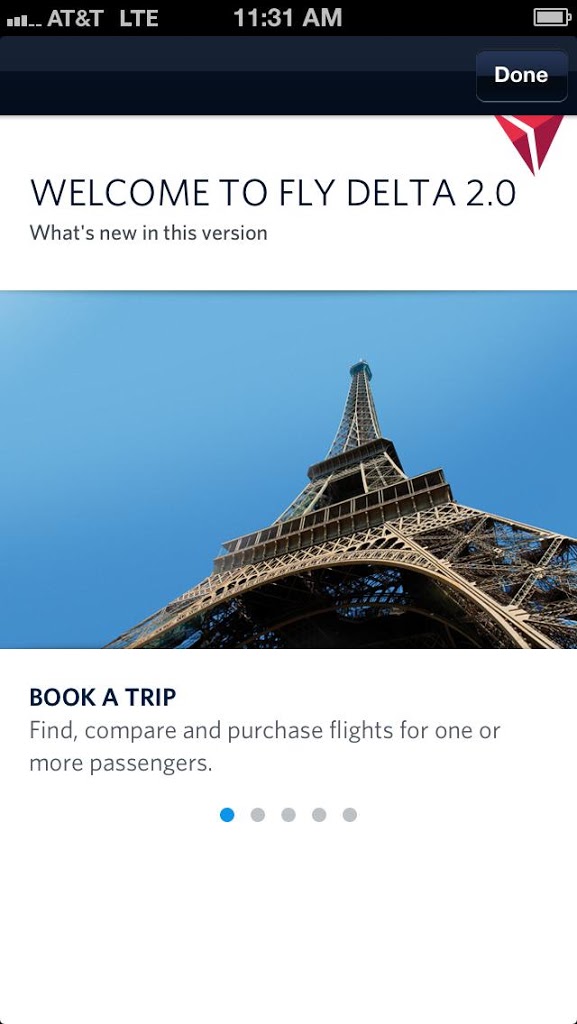



 Mobile app developers frequently need to update their Terms of Use, prompting the familiar but often ignored, “Terms & Conditions Have Changed” iPhone alert.

 Will your image live longer than you do? Artists, celebrities, and other creatives often invest substantial time and effort cultivating a personal brand image, and most likely anticipate its longevity.
Recent Comments