Earlier this month, I posted the first blog entry in my basic IP terminology series about copyright. This time, we’ll take a look at what exactly a trademark is and what the benefits are of protecting and registering your trademark.
What is a Trademark?
Trademark and copyright are often confused by those who are unfamiliar with how IP rights are distinguished.
A trademark is a word or design (like a logo) that is used in a branding capacity to indicate to consumers the source of the particular product or service that is being offered to the public.
Basic IP Terminology Series—What is a Trademark? Earlier this month, I posted the first blog entry in my basic IP terminology series about copyright. This time, we’ll take a look at what exactly a trademark is and what the benefits are of protecting...
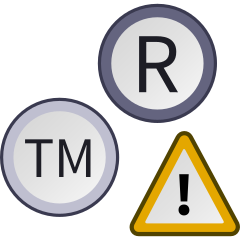
Everyone is familiar with trademarks—those logos, slogans, and brand names we come across every day— but not everyone knows the difference between the TM symbol and the ® symbol.
If you haven’t noticed it before, a very small “TM” in bold, UPPERCASE or a small r-in-a-circle symbol (“®”) appears in superscript, most often in the upper right hand corner of a trademark.
If you claim rights to use a trademark, applying the correct symbol designation serves to notify your competitors of the type of trademark rights you have in your mark. In the event that you sue someone who is using your trademark without your permission, failure to provide proper notice of your trademark in this way may result in your inability to obtain money damages or recover your court costs.
Everyone is familiar with trademarks—those logos, slogans, and brand names we come across every day— but not everyone knows the difference between the TM symbol and the ® symbol. If you haven’t noticed it before, a very small “TM” in...
Every once in a while, a court issues a decision reminding us that we may have rights we’ve never known about or sought to assert. This time the Trademark Trial and Appeal Board (TTAB) has given the New York Yankees more than they initially sought to claim for themselves.
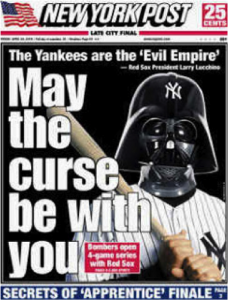
Last month, a panel of TTAB judges held that the New York Yankees could prevent Evil Enterprises, Inc. from using the phrase BASEBALLS EVIL EMPIRE on clothing because the public had, in fact, come to regard the New York Yankees as, the “evil empire” of Major League Baseball.
Every once in a while, a court issues a decision reminding us that we may have rights we’ve never known about or sought to assert. This time the Trademark Trial and Appeal Board (TTAB) has given the New York Yankees more than they initially sought to claim for...
Because so many companies market their goods and services online, owners and management naturally expect that their branded websites will be good specimens to support their applications for trademark registration and extensions.
Websites are usually excellent and appropriate demonstrations of the use of a trademark. But, companies are well-advised to use extra care when submitting a website sample as a supporting specimen for trademark registration; the USPTO’s examination of them is especially exacting. If it finds the specimen insufficient, the consequence may be long delays in the application process and possible rejection of the mark.
Because so many companies market their goods and services online, owners and management naturally expect that their branded websites will be good specimens to support their applications for trademark registration and extensions. Websites are usually excellent and...
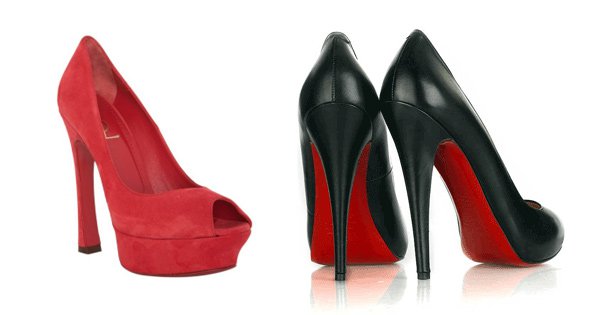
Color trademarks are those which use a color alone as the brand for a product, what trademark experts call a “source indicator.” Color marks are considered non-traditional trademarks, and they are generally disfavored by the U.S. Patent and Trademark Office. Nonetheless, some color marks have achieved “distinctiveness,” that is, the degree of public recognition as a source indicator compels the USPTO to allow owners to register the color as a mark in their field of commerce.
Color trademarks are those which use a color alone as the brand for a product, what trademark experts call a “source indicator.” Color marks are considered non-traditional trademarks, and they are generally disfavored by the U.S. Patent and Trademark...






Recent Comments